I Archives · Where the plates went
Four drawers, four countries, and about two hundred thousand sheets of paper
The British Cartoon Archive at Kent, the Billy Ireland Cartoon Library at Ohio State, the print rooms of the V&A and the Bibliothèque nationale de France. Between them they hold the originals of nearly everything this site is about — and someone has to open the drawer.
Read the pieceOnce the plate was made or the photograph taken, the drawing was redundant. The archive exists because a few people decided that was wrong.
— Two Hundred Thousand Originals, and a Reading Room in Kent
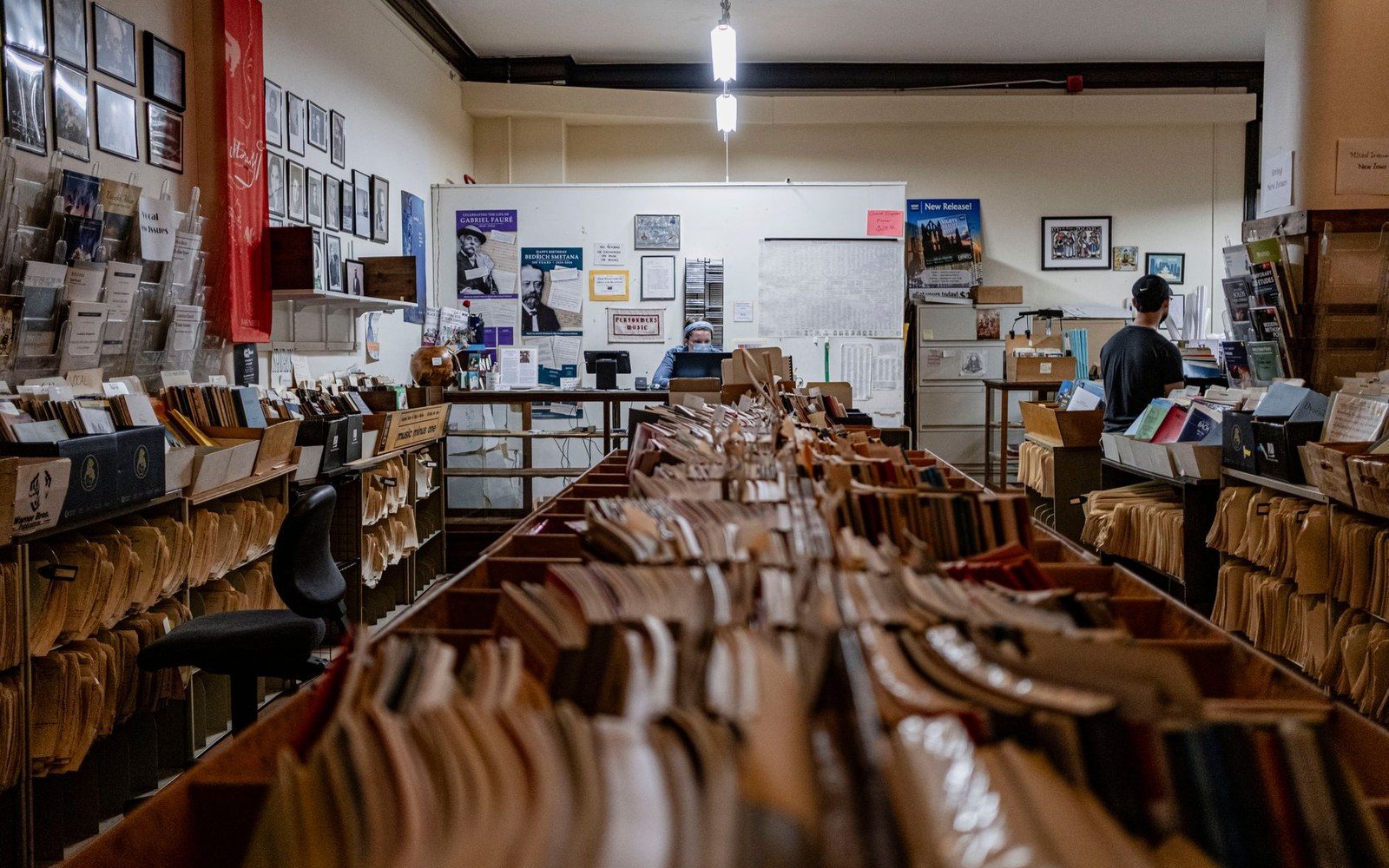
A plan chest holds prints flat and unfolded, which is why a sheet pulled in 1805 still lies straight.
Photo: Sydney Sang / Pexels
Keeping the drawn line and the printed page in circulation.









Six ways into it
Draughtsmen
The people who did it, and what each of them is on record for.
Section 2Papers
The press was the publisher, and it set the deadline.
Section 3Printing
Wax, copper, stone, boxwood, zinc, then a scanner.
Section 4Archives
Four drawers, four countries, and about two hundred thousand sheets of paper.
Section 5Prizes
The Pulitzer since 1922, and the legal record before it.
Section 6Glossary
Punch called it a cartoon in 1843, and the word never went back.
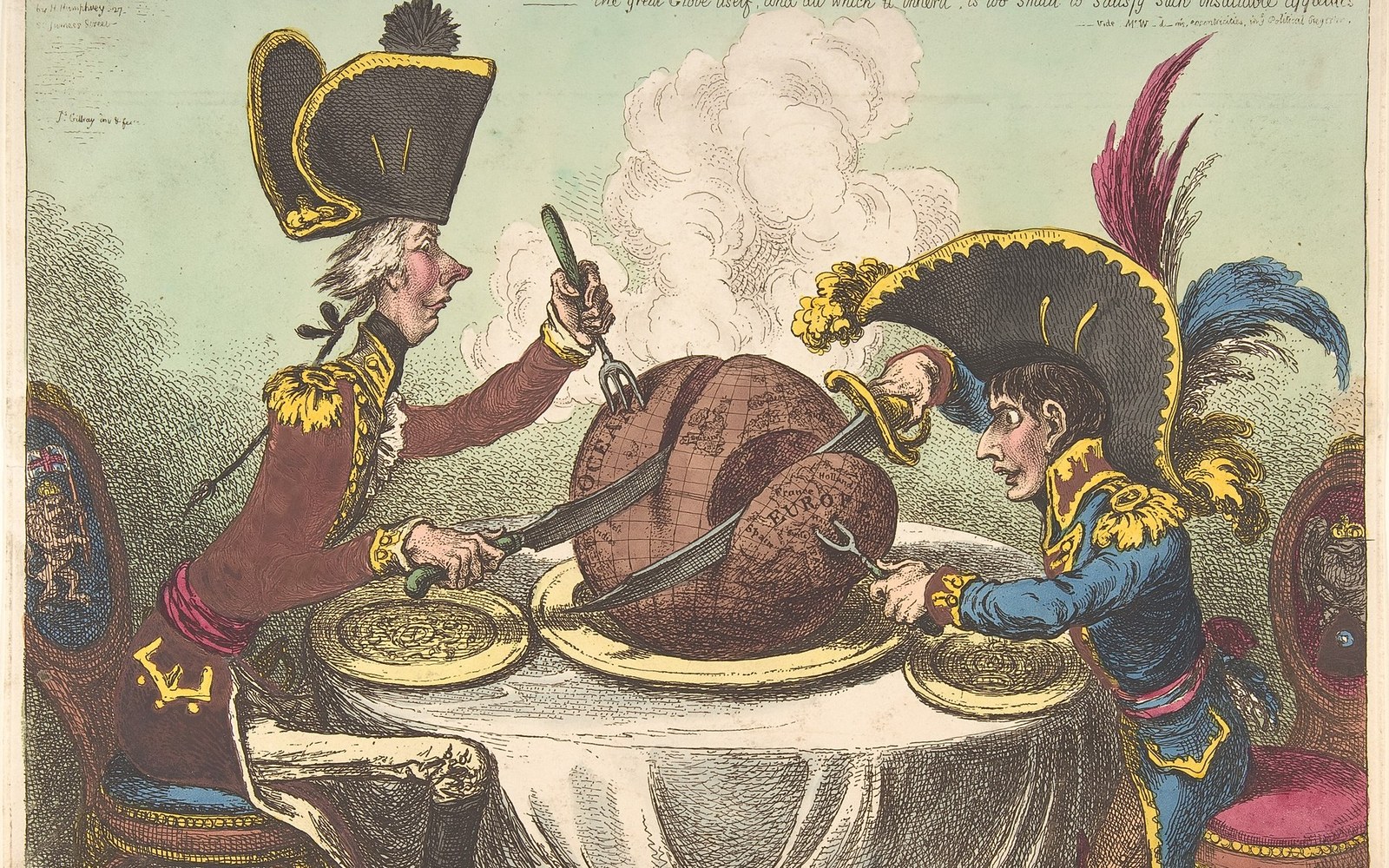
Pitt takes the ocean, Bonaparte takes Europe, and the tablecloth is the only thing in the room at peace.
Photo: The Plumb-Pudding in Danger;–or–State Epicures Taking un Petit Souper MET DP809028 · Wikimedia Commons
Draughtsmen · Plate 02
The most-quoted political cartoon in English
The Plumb-pudding in Danger was published by Hannah Humphrey on 26 February 1805 and sold from her window in St James’s Street, where crowds gathered to read it. Two centuries of reproduction later it is still the image English-language writers reach for when they need a political cartoon.
The stone remembers the hand; the plate remembers the tool
Five technologies did one job. Senefelder’s limestone is the one that made a drawn line look drawn.
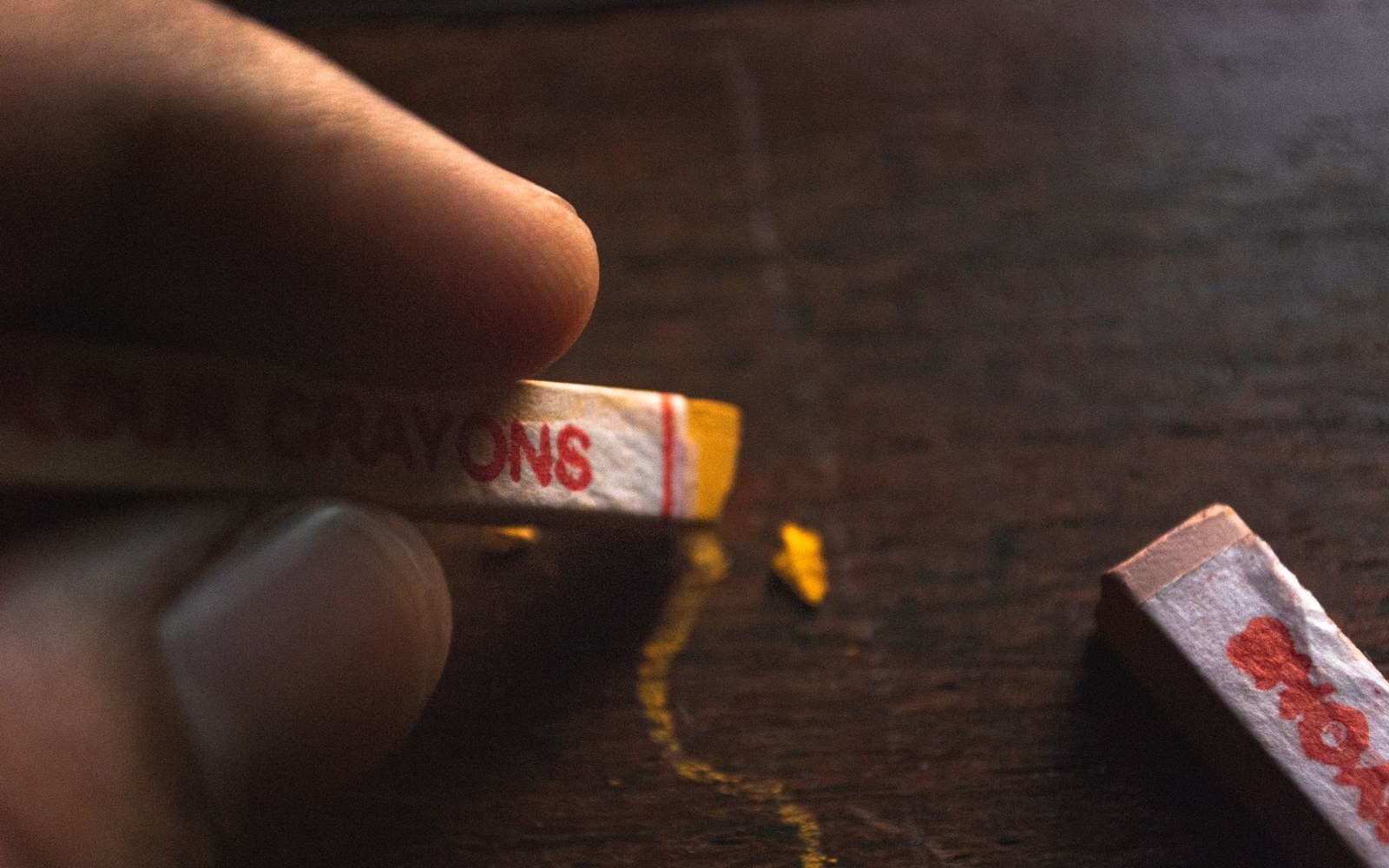
Grease crayon on limestone takes the pressure of the hand. It is why a lithograph looks drawn and an etching looks cut.
Photo: Akshar Dave🌻 / Pexels
Three from three sections
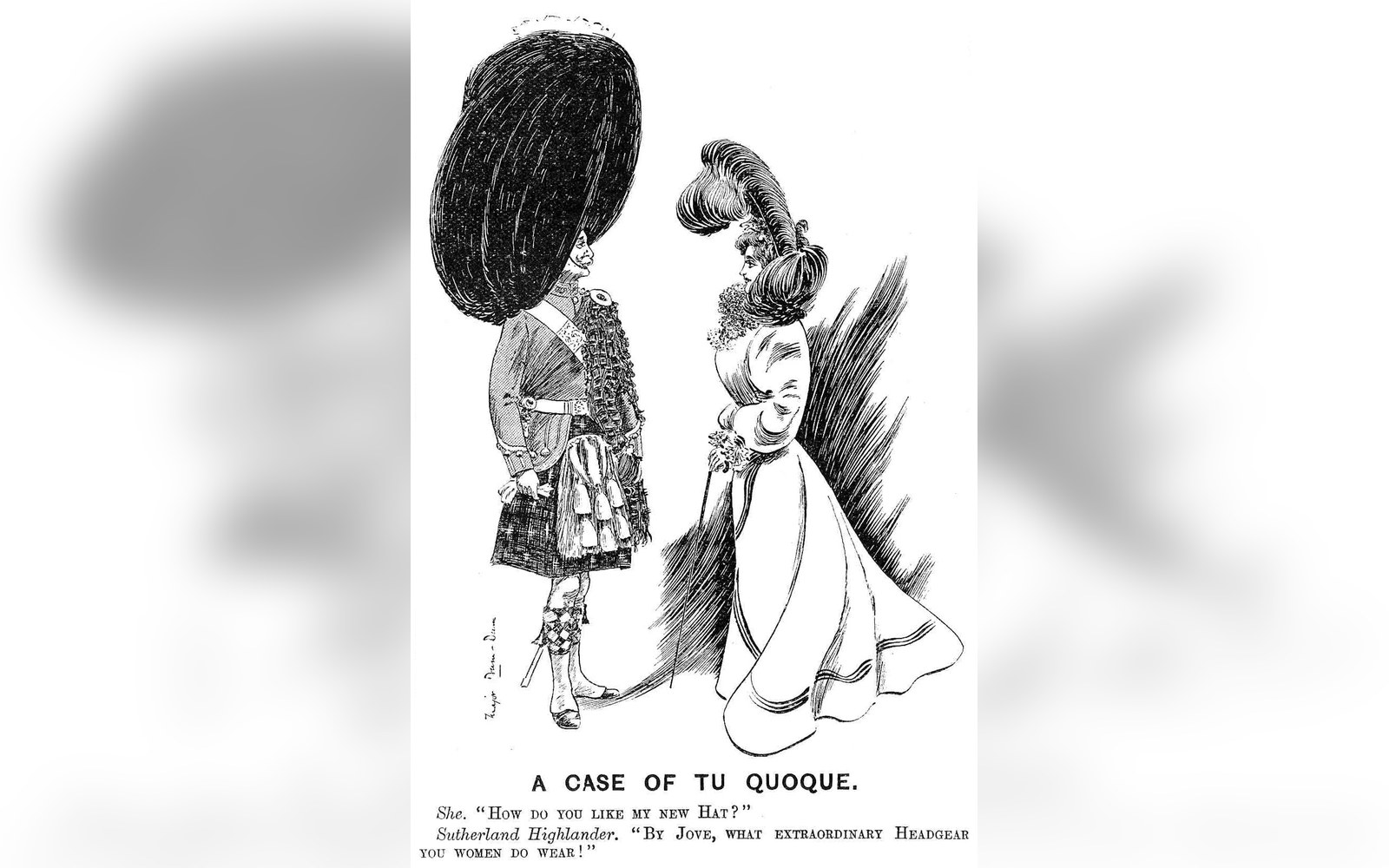 Papers · Plate 01
Punch Called It a Cartoon in 1843, and the Word Never Went Back
How a cheap London comic weekly coined the modern meaning of its medium, ran for a century and a half, and left its archive at the British Library. Read the plate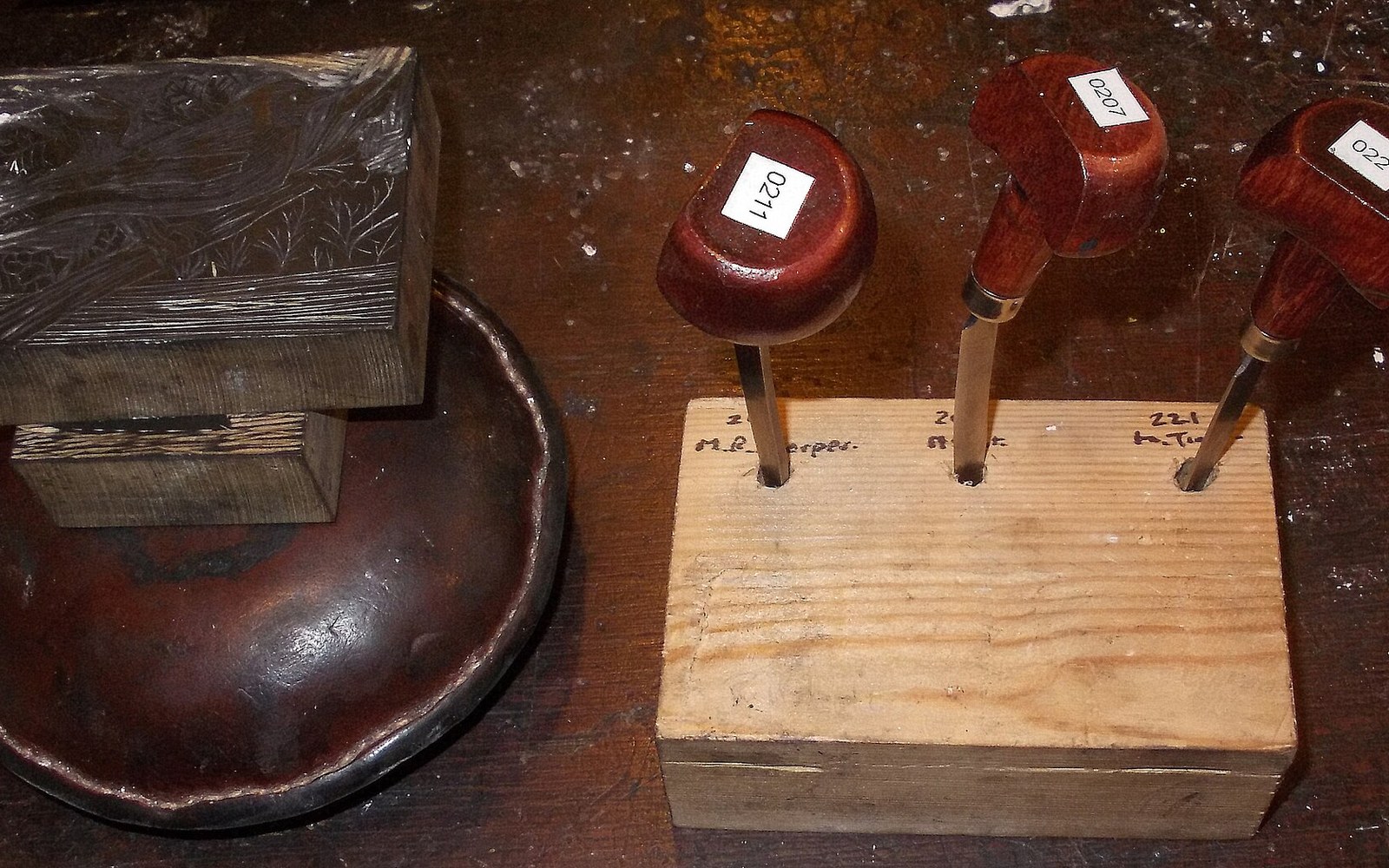 Printing · Plate 04
Zinc Killed the Wood Engraver and Nobody Mourned
How a photomechanical plate ended a craft and changed the drawn line Read the plate Glossary · Plate 01
Cartoon: How a Preparatory Drawing Became an Insult
A single issue of Punch in 1843 hijacked a technical term from the fine arts and gave it to political satire permanently. Read the plateOne prize, and the law that came before it
The Pulitzer for Editorial Cartooning has been awarded every year since 1922. The rest of the record is tax and copyright.
- 1712Stamp duty first charged on the printed sheet in Britain
- 1735The Engravers’ Copyright Act, which Hogarth lobbied for
- 1832Daumier serves six months in Sainte-Pélagie for Gargantua
- 1855The newspaper stamp duty repealed, and the price of a sheet falls
- 1922First Pulitzer for Editorial Cartooning, to Rollin Kirby
- 1945Bill Mauldin’s first Pulitzer, for Willie and Joe
- 2001Ann Telnaes wins the prize, later moving the form into animation
A hundred and fifty-one years, one drawing a week, and a word that outlived the magazine that coined it.
All twenty-five plates, in one register