Prizes · Plate 02
The Stamp Act Was a Tax on Knowing Things
How Britain's century-and-a-half of press duties shaped the economics — and the art — of the political cartoon

Duty was charged on the sheet, so the price of a print was set partly in Whitehall.
Ink on the Ledger
Britain's Stamp Act of 1712 was not aimed at cartoonists; it was aimed at sedition and at Whig pamphlets in particular. Parliament imposed a halfpenny duty on single-leaf publications and a penny on those running to two sheets, with newspapers taxed per issue. The effect on the printed word was immediate and measurable. The effect on the printed image was more complicated — and, in the long run, more interesting.
Single-sheet prints — the broadsides and satirical engravings sold from shop windows in London's St Paul's Churchyard and later in Mayfair's print-seller districts ↗ — occupied an ambiguous position in the duty schedules. For much of the eighteenth century, engraved satirical prints escaped the newspaper stamp provided they were sold as images rather than as texts. This exemption was neither guaranteed nor permanent, but it held long enough to matter. It meant that the copperplate print existed in a different legal and commercial space from the taxed press, and that satirists working in etching and engraving could reach buyers — at a price — without the overhead that throttled periodical publishers.
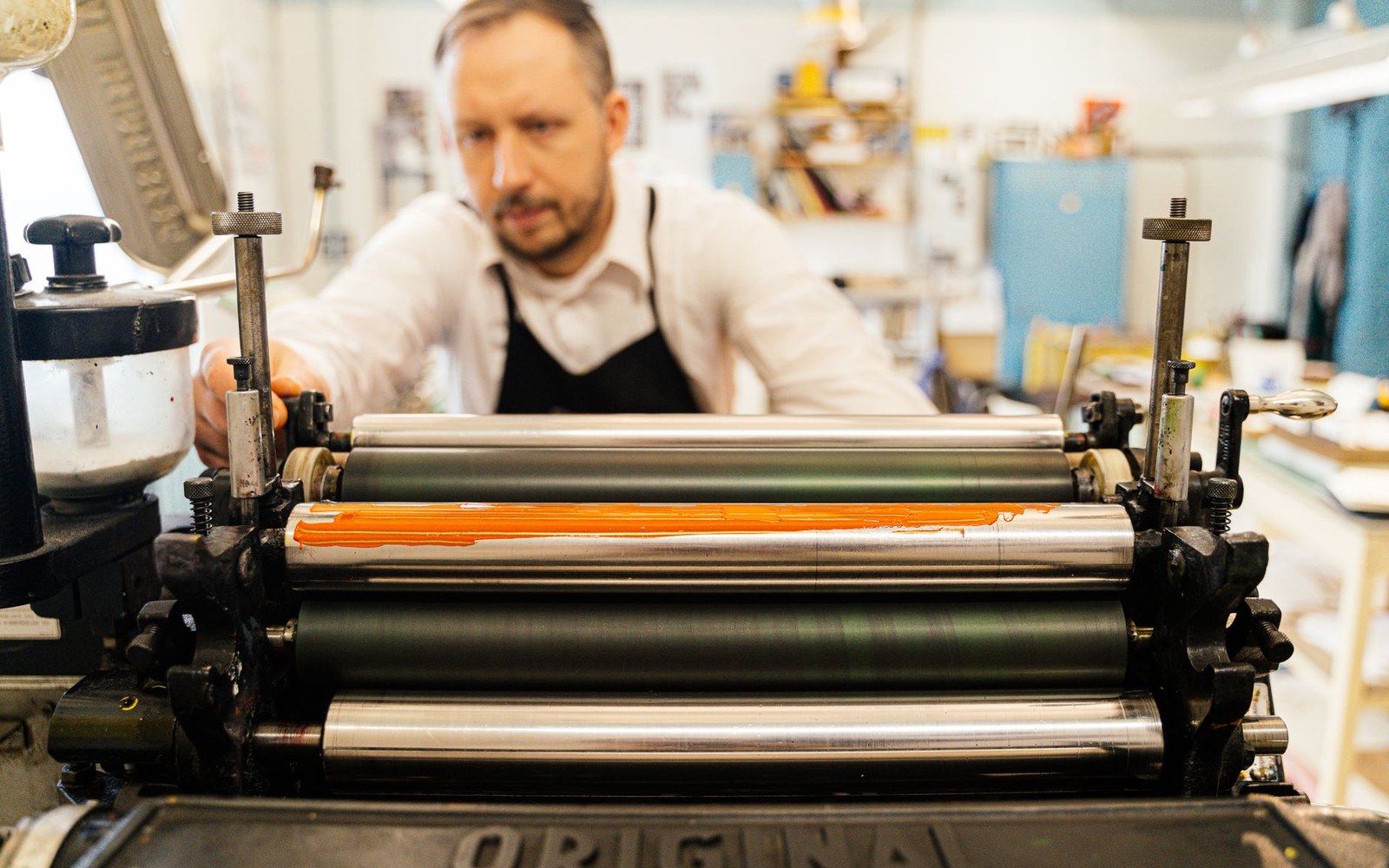
A forme locked up for a proof. The press set the deadline the drawing had to meet.
Photo: Antoni Shkraba / Pexels
The economics ran accordingly. A hand-coloured impression from James Gillray's publisher Hannah Humphrey might sell for a shilling or more at the shop in St James's Street, a sum that excluded the labouring poor but was accessible to the middling sort, to club members, and to the print-shop browser who paid nothing to stand outside and read the window display. The window was itself a distribution mechanism: free, visible, and beyond the reach of the stamp collector.
The Long Squeeze
The duties tightened across the late eighteenth and early nineteenth centuries as governments grew anxious about radical print culture. The newspaper stamp rose steadily; by the 1790s and through the Napoleonic Wars, the combination of stamp duty, advertisement duty, and paper duty had made a taxed newspaper a luxury item in real terms. Publishers either absorbed the cost, passed it to subscribers, or found ways around it. The unstamped radical press of the 1810s and 1820s, selling cheap broadsides at a penny or less and daring prosecution, was a direct consequence of duties that priced legitimate publication out of working-class reach.
Chronology
- 1712Stamp Act imposes duty on single-leaf publications and newspapers
- 1790s–1815Successive duty increases make taxed newspapers expensive; unstamped radical press grows
- 1819Six Acts restrict the cheap press; visual satire occupies an ambiguous position
- 1841Punch founded; wood-engraved cartoon enters the illustrated weekly
- 1853Advertisement duty repealed
- 1855Newspaper stamp abolished
- 1861Paper duty repealed; full liberalisation of the taxed press complete
For the satirical print, the relevant pressure came not from the stamp schedules directly but from the prosecutorial atmosphere they sustained. Publishers who could be shown to be selling seditious libel faced consequences that went beyond duty collection. Honoré Daumier's imprisonment in 1832 was a French case, but British publishers knew the dynamic: a legal framework that taxed knowledge also found ways to punish the knowledge it disliked most.
George Cruikshank, working in the years of the Six Acts (1819), navigated this with characteristic ingenuity. The Acts restricted the unstamped press but were imprecise about visual satire, and the print trade continued, though with a new wariness about explicit political targets. The British Cartoon Archive holds correspondence and trade records that document how publishers in this period weighed price, print run, and legal exposure together, as a single calculation.
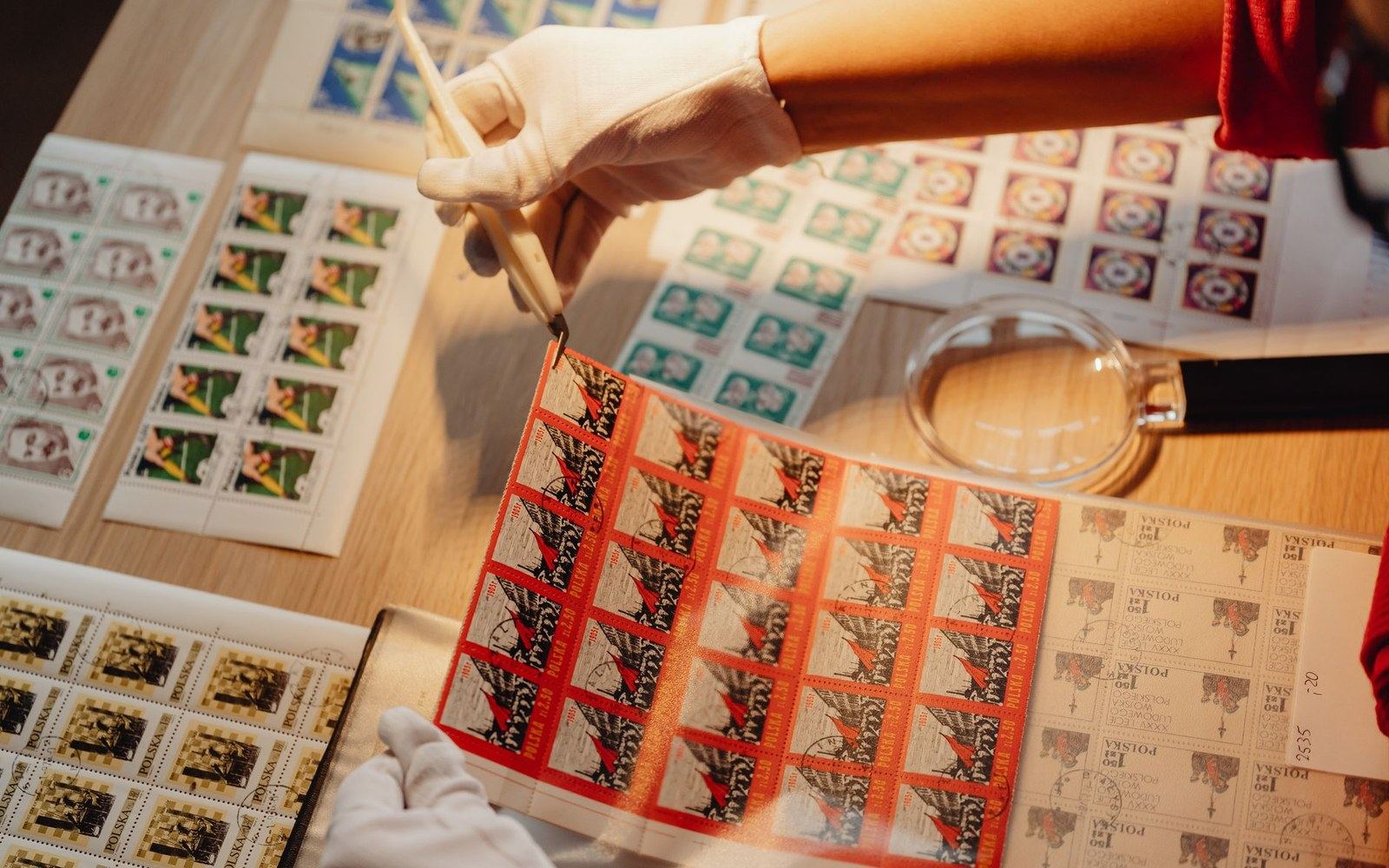
Hand-colouring was piecework paid by the dozen sheets, so no two impressions of one plate match.
Photo: Kaboompics / Pexels
What Repeal Changed
The advertisement duty fell in 1853; the newspaper stamp was abolished in 1855; the paper duty followed in 1861. The cumulative effect was a transformation of the economics of illustrated journalism. Cheap illustrated weeklies became viable. The mass-circulation press, already growing, could now carry cartoons to readerships an order of magnitude larger than the Georgian print shop had ever reached. Wood engraving — already established at Punch, founded in 1841 — could serve a genuinely popular audience once the duty barrier was gone.
The irony the Stamp Act's architects could not have anticipated was that by sheltering the expensive engraved print from the worst of its provisions, the tax regime had helped concentrate the golden age of British political caricature — Gillray, Rowlandson, Cruikshank — into the hands of a trade that charged well, lasted well, and left originals that archives still hold. Repeal democratised the cartoon. The duties, for a century and a half, had inadvertently made it an art object.