Printing · Plate 04
Zinc Killed the Wood Engraver and Nobody Mourned
How a photomechanical plate ended a craft and changed the drawn line
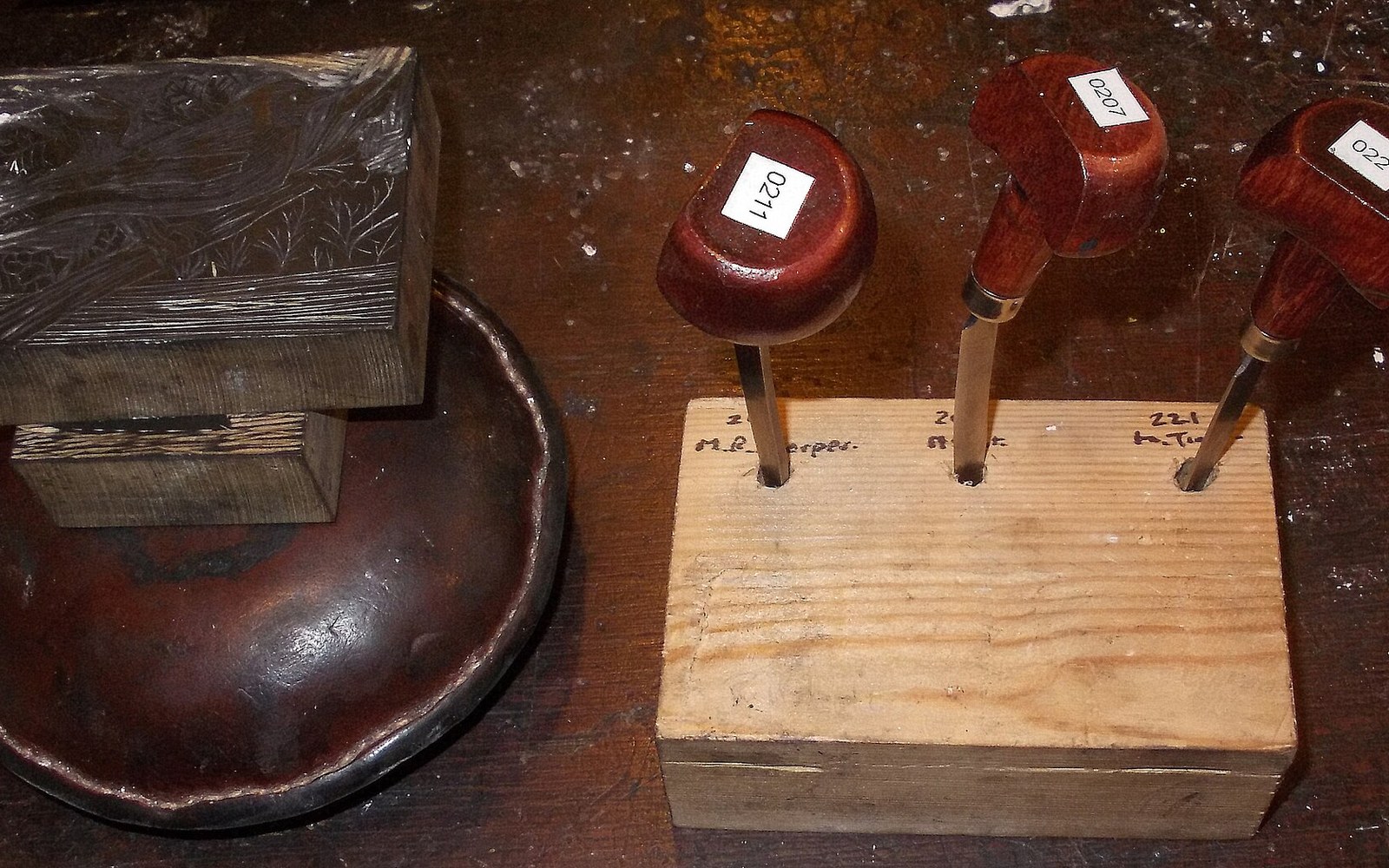
The engraver’s tools, kept after the trade they belonged to had gone.
Photo: Wood Engraving Equipment · Wikimedia Commons
The wood engravers of mid-Victorian illustrated journalism were fast, skilled, and numerous. A large Punch block might be worked simultaneously by half a dozen hands, each cutter responsible for a section of the image, the pieces dovetailed and bolted together before going to press. The process was genuinely impressive — and by 1890 it was effectively finished.
The instrument of its ending was the zinc line block, a photomechanical relief plate made by coating a zinc sheet with a light-sensitive emulsion, exposing it through a photographic negative of the artist's drawing, and etching away the unexposed areas with acid. What remained stood in relief and printed exactly as a wood block did — but without an engraver between the artist's hand and the reader's eye. The drawn line reached the page uninterpreted.
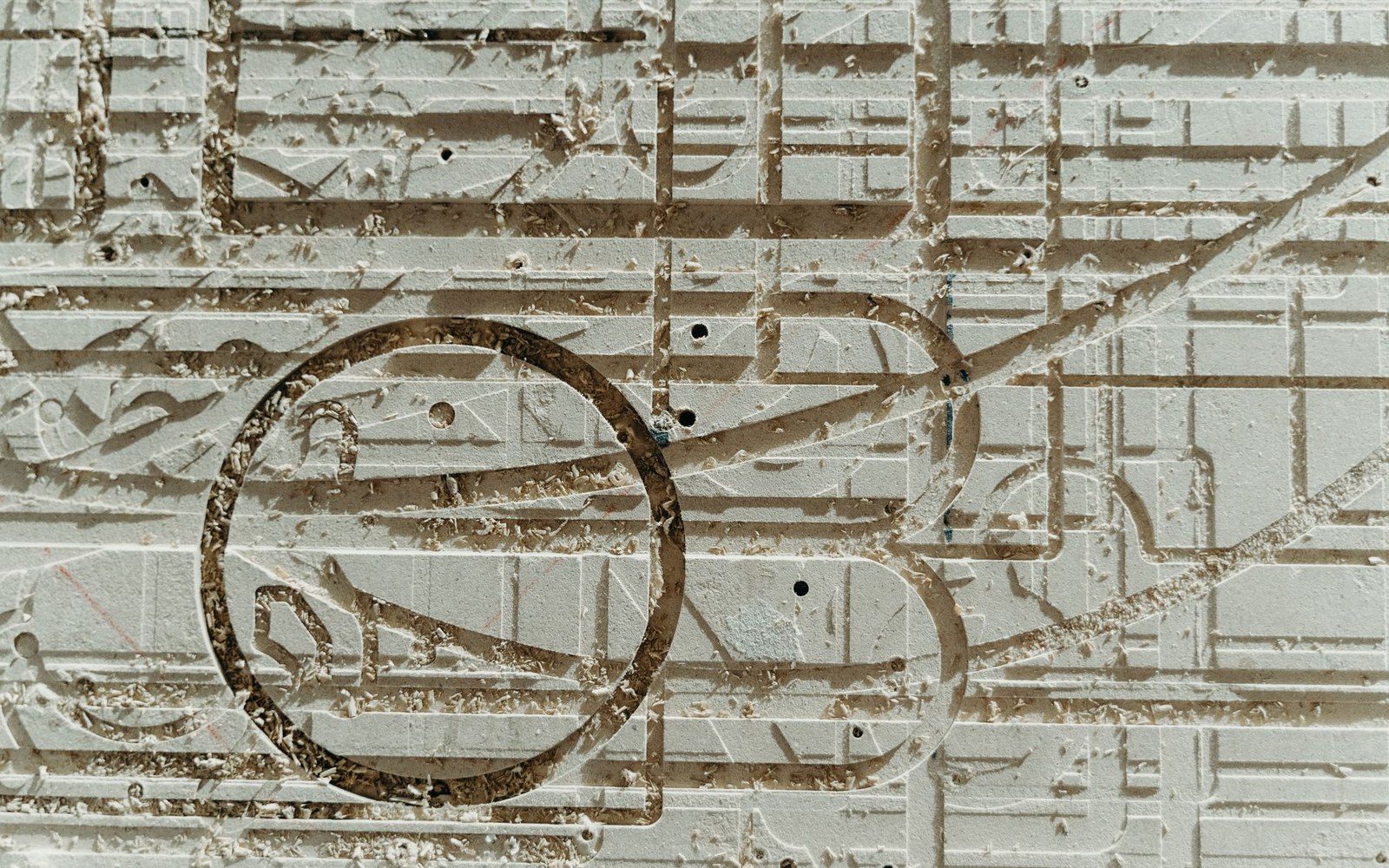
Photographic transfer to zinc printed the cartoonist’s own line, and closed the engraving trade inside a decade.
Photo: cottonbro studio / Pexels
That directness transformed what cartoonists drew with. On boxwood, the artist supplied a sketch and the engraver re-rendered it in incised lines; the pencil was merely a guide. For zinc, the drawn line itself had to survive photographic transfer, so cartoonists moved to brush and black ink — materials that produced hard, opaque marks with enough tonal contrast to photograph cleanly. The confident brushed outline, the thick-and-thin stroke produced by a loaded sable on smooth bristol board, became the visual signature of the newspaper cartoon in the decades around 1900.
Economically, the shift was abrupt and total. Engraving studios that had supplied the illustrated press for forty years could not retrain fast enough. The craft did not disappear entirely — fine-art wood engraving persisted in limited-edition print circles — but its industrial arm collapsed. Newspapers found that zinc blocks were cheaper to make, faster to produce, and required no specialist intermediary.
For the look of editorial cartooning, the consequences lasted well into the twentieth century. The Billy Ireland Cartoon Library and Museum ↗ holds original artwork from this transition period that shows the change in material terms: pencil underdrawings almost vanishing beneath assertive ink, the boards themselves shifting from wood-mounted to plain card as the engraver's infrastructure became irrelevant. The zinc plate did not merely replace a tool — it redrew what a political cartoon looked like.