Printing · Plate 03
The Punch Block Was Cut by Six Men at Once
One drawing, many hands
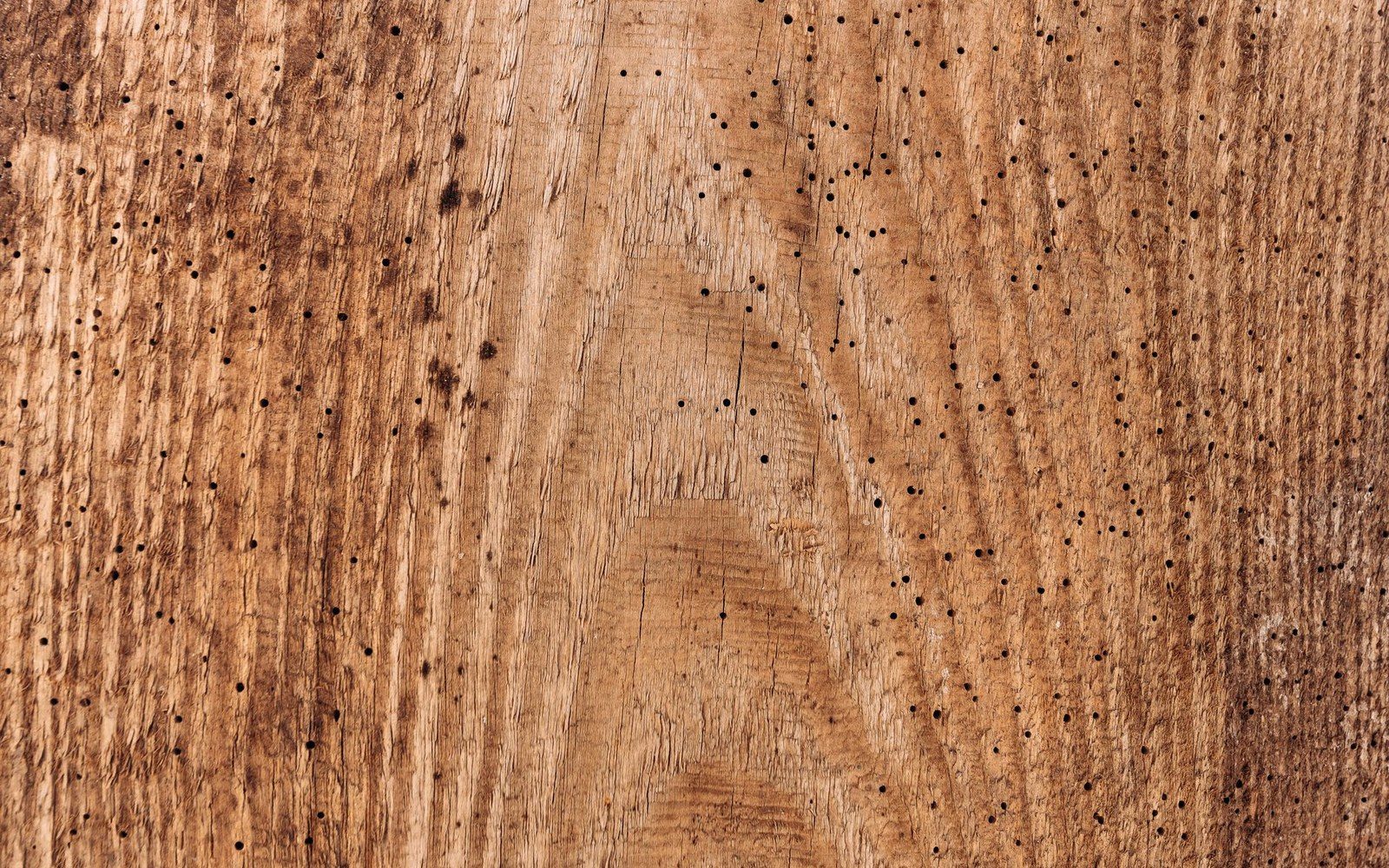
End-grain boxwood, bolted into a block big enough for a full page and cut by several hands at once.
Photo: Вадим Биць / Pexels
Wood engraving — cut on the end grain of a hardwood block, almost always boxwood — was the industrial printing method of Victorian illustrated journalism. Unlike woodcut, which follows the plank grain with a knife, wood engraving uses a burin on the sawn end face, allowing lines of hairlike fineness and print runs of tens of thousands without serious deterioration. Punch adopted it from its founding in 1841 and never abandoned it until photomechanical methods made the engraver redundant in the 1890s.
The practical problem was speed. A full-page political cartoon had to move from the artist's pencil to printed page within days of a parliamentary debate or a diplomatic crisis. The solution was the bolt: the block was physically divided into sections — sometimes six or more — each bolted together so that the artist could draw across the entire surface as a single composition. Once the drawing was complete, the bolts were removed and the sections distributed among different engravers working simultaneously. When the cutting was done, the sections were rejoined and the block printed as one.

The large cut ran where a reader opening the issue met it first.
Photo: Christian Wasserfallen / Pexels
Sir John Tenniel, Punch's principal cartoonist from 1864 to 1901, drew his compositions directly onto the prepared white surface of the block in pencil, sometimes working from a small preparatory sketch but often straight onto the wood itself. Engravers at firms such as the Dalziel Brothers and later Joseph Swain then cut away everything Tenniel had not drawn, translating his line into the relief surface from which ink was transferred to paper. Tenniel rarely if ever cut the block himself; the translation was the engraver's work, not his.
What the wood engraving process gained was reproducibility — clean, consistent impressions across a long press run, and a tonal range achieved through hatching and cross-hatching that read clearly in newsprint. What it lost was the spontaneity and personal weight of the artist's hand. The cuts of six different engravers, however skilled, could not perfectly harmonise; a close examination of original Punch blocks in the British Cartoon Archive at the University of Kent reveals subtle discontinuities at the seam lines, small shifts in the density and rhythm of hatched shadow. The joins are usually invisible at reading distance, but they are there.
The irony is that the photomechanical zinc line block, which began superseding wood engraving in the late 1880s, preserved the artist's actual drawn line with photographic fidelity — and did it faster and cheaper. The bolt-and-distribute system was a brilliant solution to an industrial problem, but it was also a workaround for a technology the press was already outgrowing when Tenniel drew his last cartoon for Punch in 1901.