Archives · Plate 03
What the Original Drawing Is Actually Worth
From Press Room to Auction Room
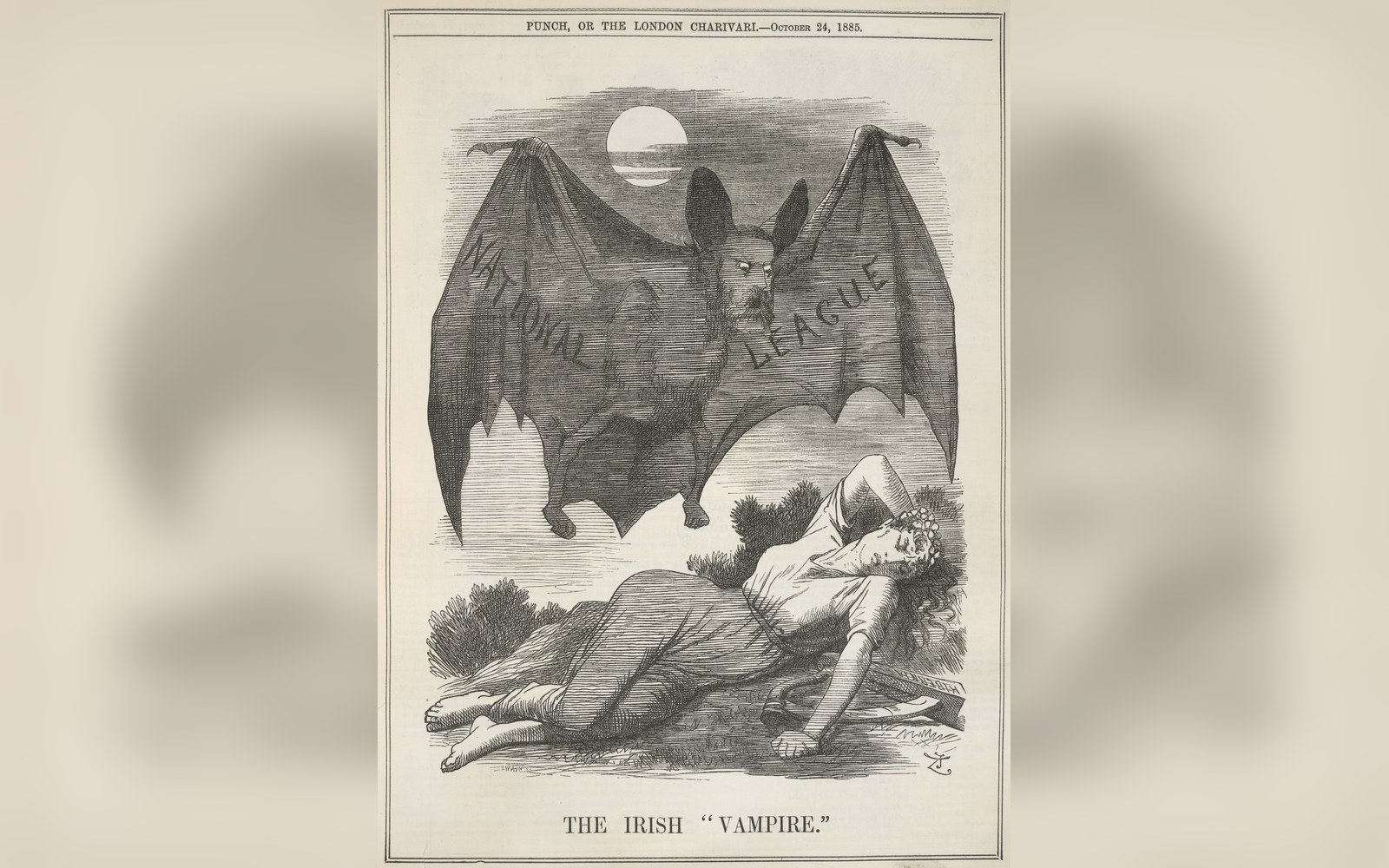
A Punch page as it was printed. What the market wants is the board it was drawn on.
Photo: The Irish Vampire - Punch (24 October 1885), 199 - BL · Wikimedia Commons
Editorial cartoon originals spent most of their early history as production objects, not collectibles. Georgian printmakers worked from copper plates, not drawings — Gillray's finished etchings were the commodity, and the preliminary sketches were often discarded. When finished drawings did survive, their route to collectors was haphazard: editors cleared desks, artists sold directly from studios, and widows disposed of estates without any sense that newsroom detritus might carry value.
The market for original cartoon artwork emerged gradually through the twentieth century, accelerated by institutional collecting. The British Cartoon Archive at the University of Kent and the Billy Ireland Cartoon Library and Museum at Ohio State University between them hold tens of thousands of originals, many transferred directly from publishers or artists' estates rather than acquired through the trade. Their holdings set a de facto benchmark: what institutions want, collectors follow.
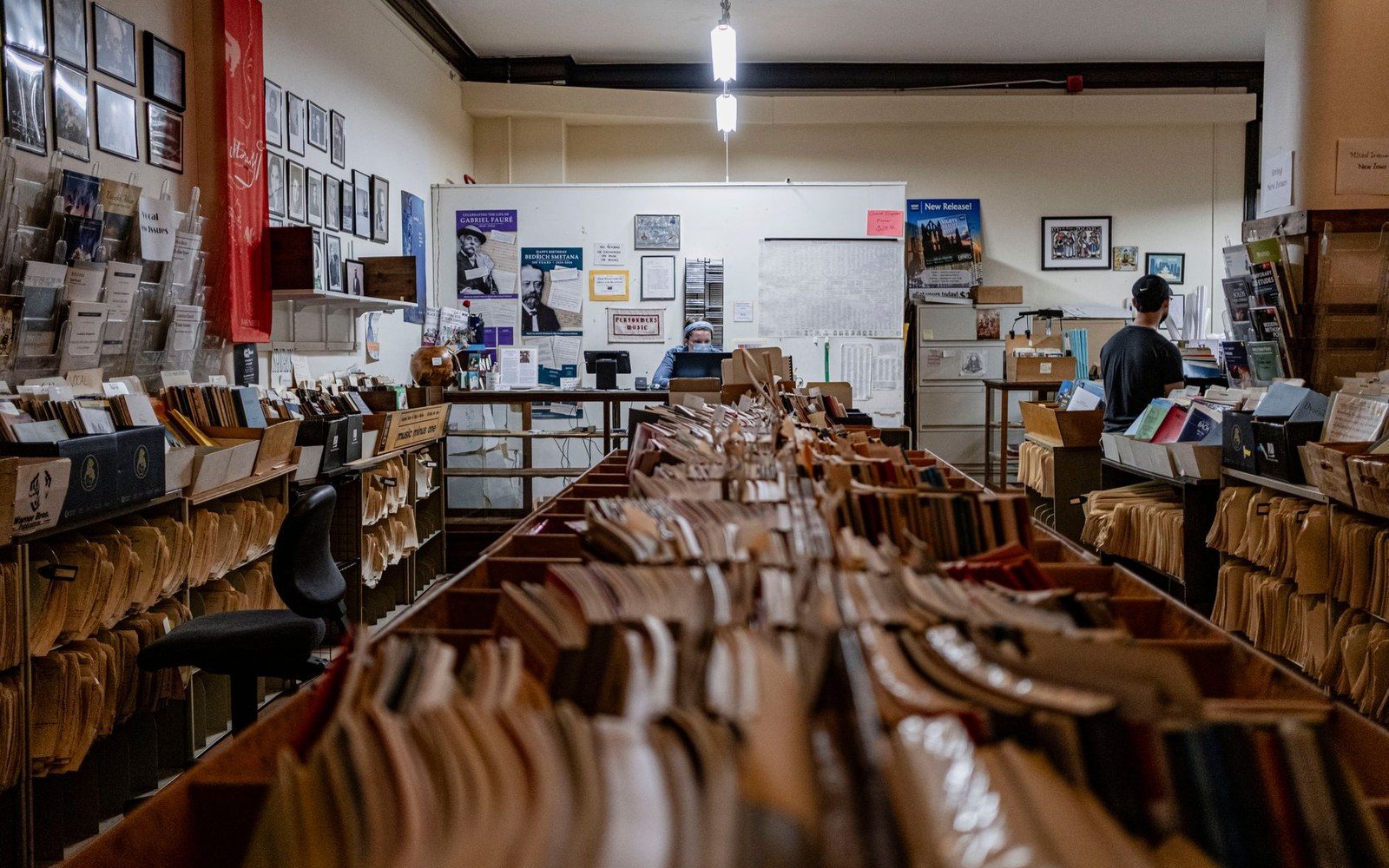
A plan chest holds prints flat and unfolded, which is why a sheet pulled in 1805 still lies straight.
Photo: Sydney Sang / Pexels
At auction, Gillray's preparatory drawings have appeared occasionally at Christie's and Sotheby's as part of broader Georgian works-on-paper sales, where condition and provenance govern price more than subject. Thomas Nast originals — brush-and-ink sheets from his Harper's Weekly campaigns — attract American collectors drawn to the Tweed Ring narrative as much as to the draftsmanship. Punch originals, particularly Tenniel's large-format block drawings, are catalogued by both auction houses as Victorian illustration rather than fine art, which affects their department placement and their buyer pool.
Conservation complicates the picture in ways that pricing rarely reflects. Ink-on-board from the late nineteenth and early twentieth centuries is particularly vulnerable: the wood-pulp boards used by many newspaper cartoonists are acidic, and the black inks — often iron gall or carbon-based — can cause planar distortion and foxing ↗ as the support degrades. Drawings kept in frames without acid-free matting and UV-filtering glazing deteriorate faster in private hands than in climate-controlled reading rooms. Buyers who pay auction-room prices for unframed originals sometimes discover that the condition reported in a catalogue note was optimistic.
What the original drawing is actually worth, then, depends on three variables that rarely align: the artist's standing in institutional collecting, the physical condition of a support that was never meant to outlast a press run, and a buyer's willingness to fund the conservation that stabilises what they have just acquired.