Glossary · Plate 02
Caricature Is What the Face Does; Cartoon Is What the Argument Does
Two words that have circled each other for two centuries without quite merging — and why the distinction still matters.
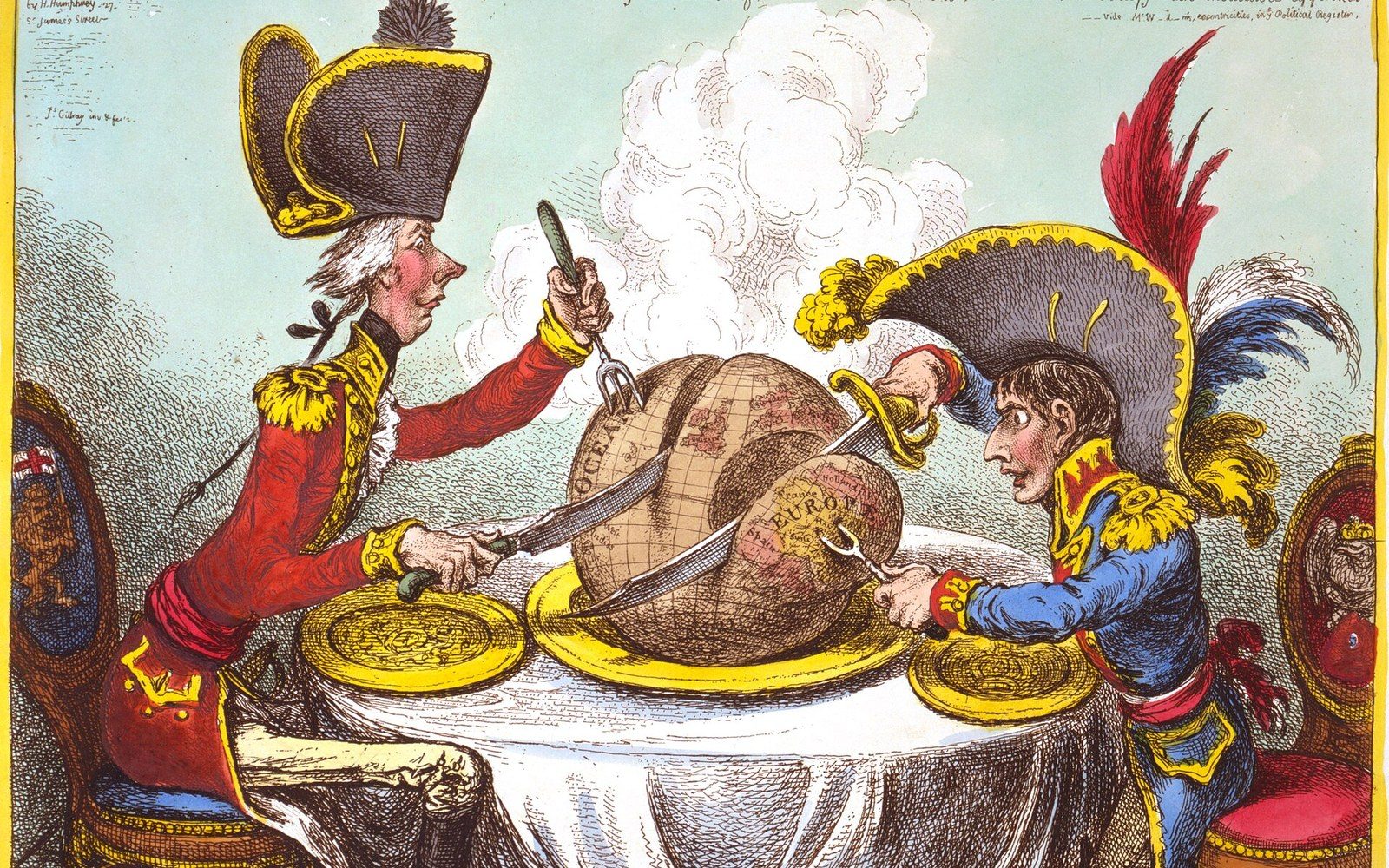
Two heads exaggerated and one argument made. The distinction the two words keep losing.
Photo: James Gillray, "The Plum-pudding in Danger" · Wikimedia Commons
The Line Between a Portrait and an Argument
Caricature, from the Italian caricare (to load or exaggerate), is a technique: the amplification of a sitter's physical features — the prominent nose stretched further, the jowls deepened — until the distortion itself becomes recognition. A caricature need carry no political content whatsoever. A skilled practitioner can produce one in thirty seconds at a street fair; the result is a portrait, not an argument.
An editorial cartoon is a drawn argument — a composition that deploys image, symbol, and often text to make a claim about power, policy, or public conduct. Technique is secondary to intent. The cartoon may be rendered with photographic restraint, or it may be pure abstraction, but it must conclude something. Caricature is a tool the cartoonist may or may not reach for; the political point is the object itself.
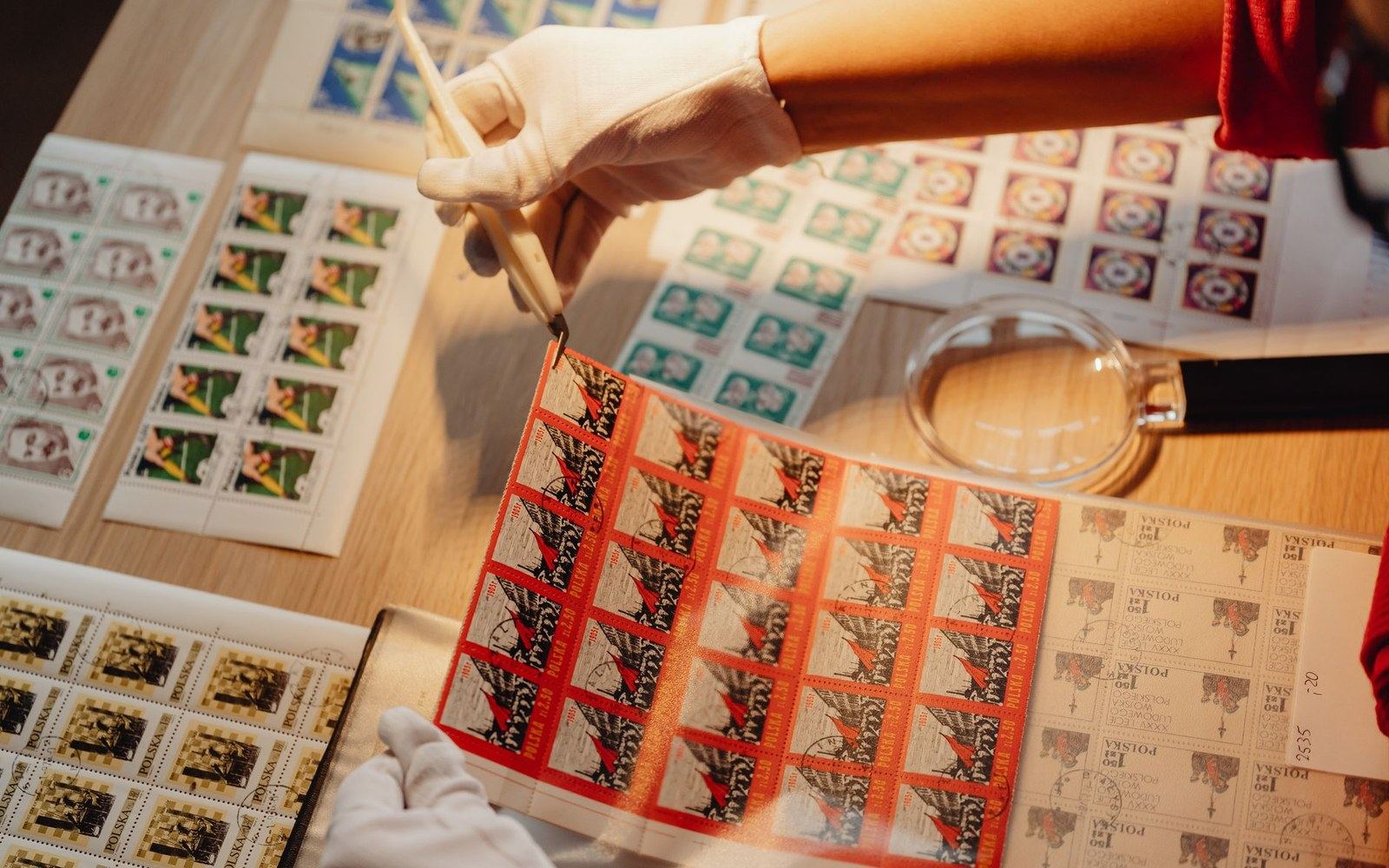
Hand-colouring was piecework paid by the dozen sheets, so no two impressions of one plate match.
Photo: Kaboompics / Pexels
The two terms collapse in common usage because the great Georgian satirists — James Gillray above all, but also Thomas Rowlandson — deployed caricature within the editorial cartoon so consistently that the methods seemed inseparable. Gillray's plates exaggerate Pitt's skeletal frame or Fox's stubbled bulk precisely to advance an argument about their fitness to govern. The face does its distorting work in service of the larger accusation. When the British Cartoon Archive at the University of Kent catalogues its holdings, it uses both terms, carefully distinguishing caricature portraits from sequential or compositional works with an identifiable editorial purpose.
The divergence becomes clearer in the later American tradition. Thomas Nast's sustained campaign against the Tweed Ring in Harper's Weekly from 1869 onward barely required caricature — Boss Tweed's physical form mattered far less than the symbolic tiger, the money bag, and the systematic visual rhetoric that made corruption legible to a mass readership. Herbert Block's half-century at the Washington Post, documented by the Herblock Foundation ↗, similarly relied on compositional argument — the tar bucket, the atomic mushroom cloud — far more than on facial distortion.
The persistence of interchangeable usage is partly institutional: the Pulitzer Prize for Editorial Cartooning, awarded since 1922, has always been awarded for editorial cartoons, yet journalism stylebooks still gloss the word as "caricature." The confusion also reflects genuine overlap — most editorial cartoonists use caricature as one instrument among several, and the best work makes the two functions indistinguishable in execution even when they are perfectly distinct in logic. Knowing the difference does not diminish the pleasure of the image; it clarifies what the image is actually doing.