Draughtsmen · Plate 09
The Last Great Syndicated Cartoonist
Pat Oliphant turned a craft learnt in Adelaide into a franchise that reached six hundred newspapers — and nobody has matched the numbers since.
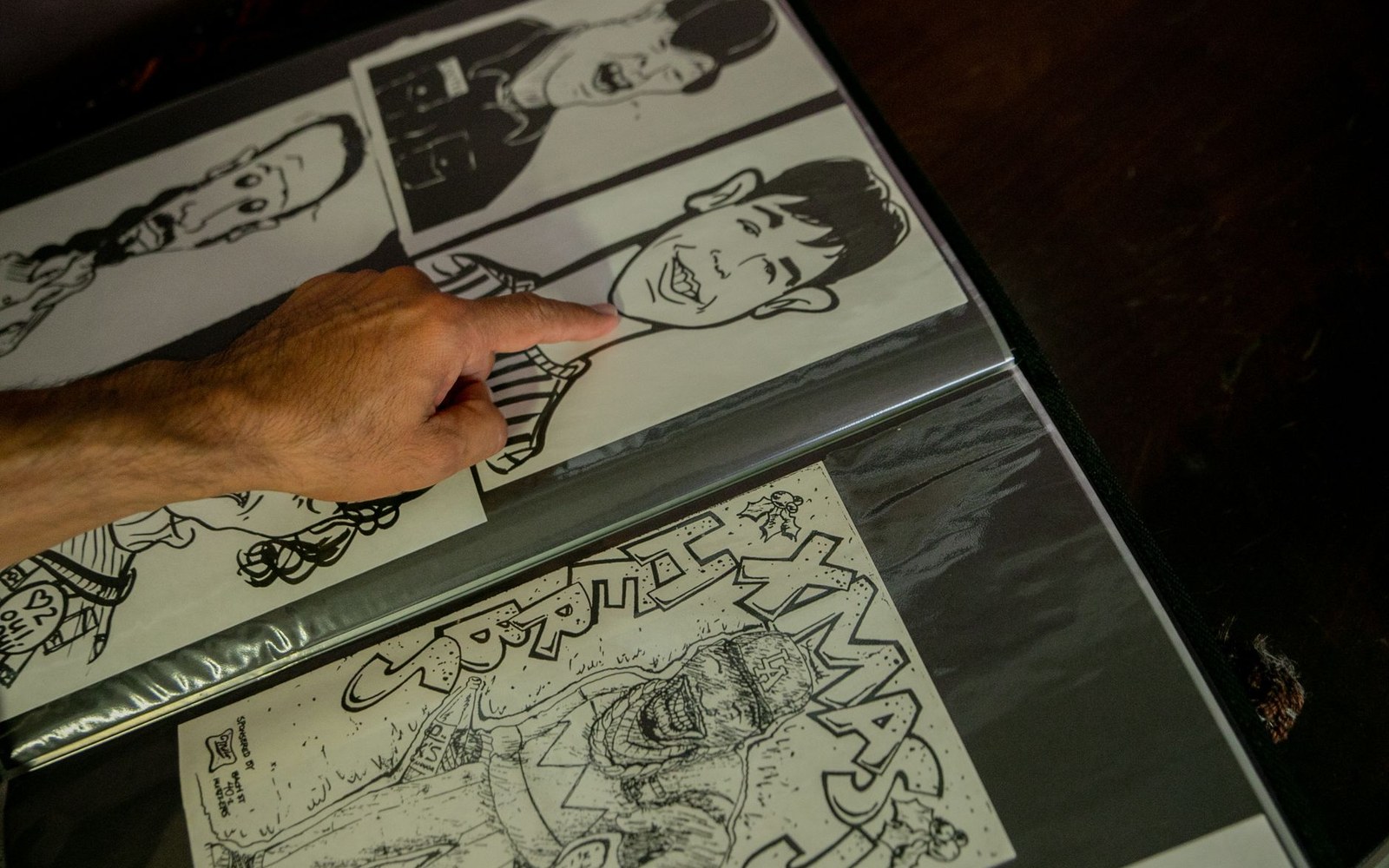
Scratchboard and brush, photographed at the stage a syndicate never saw.
Photo: RDNE Stock project / Pexels
From the Advertiser to the Syndicate
Pat Oliphant began his working life as a copy boy at the Adelaide Advertiser in the mid-1950s, graduating to staff cartoonist before the decade was out. His education was practical: he watched the pressroom, he studied the Gillray and Rowlandson reproductions he could find in libraries, and he taught himself the fine tonal control that would later become his signature. In 1964 he moved to the Denver Post, won the Pulitzer Prize for Editorial Cartooning ↗ in 1967 — his second year of American eligibility — and was later syndicated, eventually by Universal Press Syndicate.
Syndication is the economic engine that made the twentieth-century editorial cartoonist a national figure. Universal Press Syndicate, founded in Kansas City in 1970, licensed Oliphant's cartoon simultaneously to client newspapers across the United States: at his peak, somewhere between five and six hundred papers carried his work each week. The cartoonist received a share of each licensing fee; the syndicate handled distribution, billing, and rights. It was a system that rewarded consistency and a recognisable style above almost any other quality, and Oliphant had both.
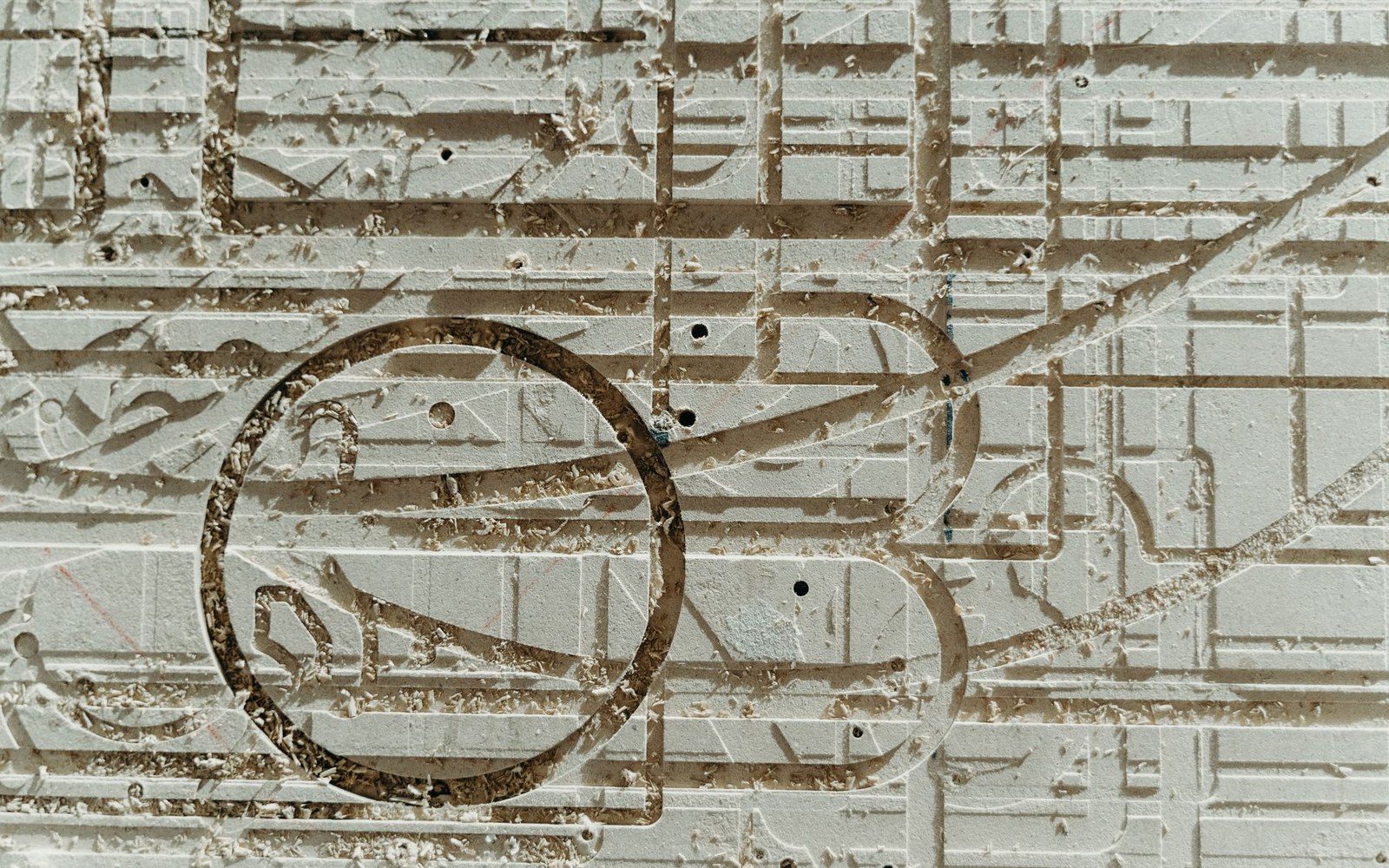
Photographic transfer to zinc printed the cartoonist’s own line, and closed the engraving trade inside a decade.
Photo: cottonbro studio / Pexels
The Work at Arm's Length
What those hundreds of editors received, reduced to a line-ready proof, had begun as a meticulous hand-drawn original. Oliphant worked primarily with pen and brush on scratchboard — a clay-coated board with a black ink surface into which the artist scratches back white lines with a sharp tool. The technique allows a white-on-black hatching effect impossible to achieve any other way: fine, luminous strokes that hold detail through photomechanical reproduction onto a zinc line block and survive reduction to column width. His figures were caricatures in the precise sense — faces pushed to their dominant features, bodies given the posture of the argument — while a tiny penguin named Punk, tucked somewhere in each drawing, delivered a secondary and usually more savage verdict on the main image.
The British Cartoon Archive at the University of Kent ↗ holds a substantial run of Oliphant originals and tearsheets, allowing close comparison between the drawn surface and the printed result. The difference is instructive: the scratchboard original carries a physical depth the newspaper proof compresses entirely.
By the time digital delivery and classified-ad collapse dismantled the syndication model over the course of the 2000s, Oliphant had already demonstrated what the system could do at full stretch. No successor has assembled a client list of comparable size. The economics that made it possible have not returned.